
Hello friends!
इस पोस्ट में Structures of Operating System in Hindi (ऑपरेटिंग सिस्टम का स्ट्रक्चर) के बारे में पूरी जानकारी आसान हिंदी भाषा में समझाई गई है।
यदि आप इस टॉपिक के बारे में जानना चाहते हैं, तो इस पोस्ट को पूरा जरूर पढ़ें।
Table of Contents
परिचय (Introduction)
Operating System केवल programs का collection नहीं होता, बल्कि यह एक well-organized structure में design किया जाता है ताकि system reliable, secure और efficient बने। OS structure यह तय करता है कि different components आपस में कैसे interact करेंगे और services कैसे provide होंगी।
Windows, Linux और macOS जैसे modern operating systems अलग-अलग structural approaches का उपयोग करते हैं।
Operating System Structure क्या है?
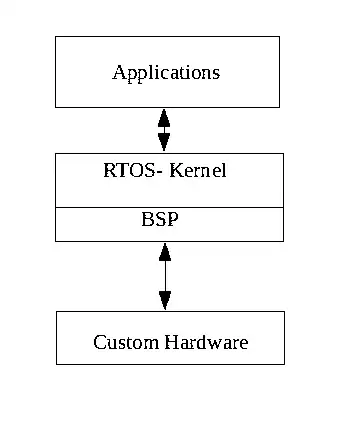
Operating System Structure उस internal design को कहते हैं जिसके माध्यम से OS के विभिन्न modules (जैसे process management, memory management, file system आदि) organized और interconnected होते हैं।
Featured Snippet Definition:
Operating System Structure वह design framework है जो OS के components के interaction और responsibility को define करता है।
OS Structure की आवश्यकता क्यों होती है?
- System complexity manage करने के लिए
- Reliability और security बढ़ाने के लिए
- Easy maintenance और scalability
- Better performance
Structures of Operating System के प्रकार

1. Simple Structure
यह सबसे basic OS structure होता है। इसमें OS के components clearly separated नहीं होते।
Example: MS-DOS
Advantages:
- Simple design
- Fast execution
Disadvantages:
- Poor security
- Difficult maintenance
2. Monolithic Structure
इस structure में पूरा OS एक single large program के रूप में run करता है।
Features:
- File system, memory management, process management – सब kernel में
Example: UNIX, early Linux
Advantages:
- High performance
Disadvantages:
- Debugging difficult
- System crash का risk
3. Layered Structure
OS को multiple layers में divide किया जाता है। हर layer नीचे वाली layer पर depend करती है।
Advantages:
- Modular design
- Easy debugging
Disadvantages:
- Performance overhead
4. Microkernel Structure
इस structure में kernel को minimum रखा जाता है। Non-essential services user space में run करती हैं।
Example: Mach, MINIX
Advantages:
- High security
- Stability
Disadvantages:
- IPC overhead
5. Modular Structure
Kernel को modules में divide किया जाता है जिन्हें dynamically load/unload किया जा सकता है।
Example: Modern Linux
Advantages:
- Flexible
- Performance + modularity
6. Hybrid Structure
Monolithic और microkernel का combination होता है।
Example: Windows, macOS
Comparison of OS Structures
| Structure | Performance | Security | Complexity |
|---|---|---|---|
| Simple | High | Low | Low |
| Monolithic | Very High | Medium | High |
| Layered | Medium | High | Medium |
| Microkernel | Medium | Very High | High |
| Hybrid | High | High | High |
Real-Life Example
Mobile OS (Android) Linux kernel का use करता है लेकिन modular और layered approach follow करता है, जिससे performance और security दोनों maintain होती हैं।
Advantages of Proper OS Structure
- Easy maintenance
- System stability
- Better security
- Scalability
Disadvantages
- Design complexity
- Performance trade-offs
FAQs – OS Structure
Monolithic और Microkernel में क्या अंतर है?
Monolithic में सभी services kernel में होती हैं, microkernel में minimum services होती हैं।
Modern OS कौन-सा structure use करते हैं?
Hybrid और modular structures।
निष्कर्ष (Conclusion)
Operating System का structure system की performance, security और reliability को directly affect करता है। Modern OS flexible और hybrid structures का उपयोग करते हैं ताकि best results मिल सकें।
👉 Next Topic: PCB in Hindi – Process Control Block क्या है?