
Hello friends!
इस पोस्ट में File System in Hindi & File Access Methods – पूरी जानकारी के बारे में पूरी जानकारी आसान हिंदी भाषा में समझाई गई है।
यदि आप इस टॉपिक के बारे में जानना चाहते हैं, तो इस पोस्ट को पूरा जरूर पढ़ें।
Table of Contents
परिचय (Introduction)
Operating System में File System वह structure है जो data को organize, store और manage करता है। हर OS में file system का अपना format और method होता है। साथ ही, File Access Methods determine करती हैं कि data को कैसे read और write किया जाएगा।
इस article में हम विस्तार से जानेंगे:
- File System क्या है
- Types of File Systems
- File Access Methods
- Advantages & Disadvantages
- Real-life examples
File System क्या है?
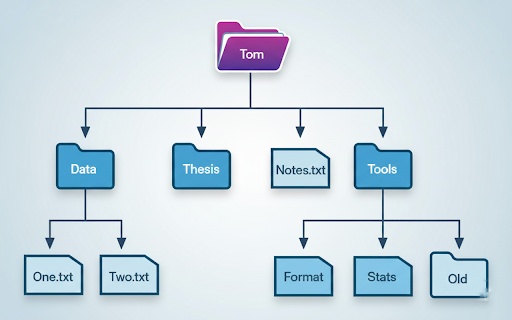
File System वह logical structure है जो OS को files organize करने, store करने और retrieve करने में मदद करता है।
Functions of File System
- File create, delete, rename
- Directory management
- Access control and security
- Data storage and retrieval
Types of File Systems
- FAT (File Allocation Table)
- Simple and widely used
- Used in USB drives, memory cards
- NTFS (New Technology File System)
- Advanced Windows file system
- Supports security, compression, large files
- EXT (Extended File System)
- Linux-based systems
- Variants: EXT2, EXT3, EXT4
- HFS (Hierarchical File System)
- Apple Mac OS
- Supports journaling, efficient directory management
- Other Modern FS
- APFS (Apple File System), ReFS (Resilient File System)
File Access Methods
File access method determine करता है कि file data को कैसे read और write किया जाएगा।
1. Sequential Access
- Data read और write order में होता है
- Example: Magnetic tape
- Advantage: Simple, efficient for sequential processing
- Disadvantage: Slow for random access
2. Direct (Random) Access
- Directly jump to any data block
- Example: Hard disks
- Advantage: Fast access
- Disadvantage: Complex structure, more memory
3. Indexed Access
- Index table maintain करता है
- Example: Database file systems
- Advantage: Efficient search
- Disadvantage: Extra storage for index
Advantages of File System & Access Methods
- Efficient data storage and retrieval
- Data security and integrity
- Supports multiple access methods
- Easier file organization
Disadvantages
- Complex structure for large systems
- Needs proper backup
- Indexing overhead for large files
Real-Life Examples
- Windows OS: NTFS file system, sequential and random access
- Linux OS: EXT4 file system, supports indexing
- Flash Drives: FAT32 file system
- Databases: Indexed file access method for fast queries
FAQs
File System क्या है?
File System वह logical structure है जो OS को data organize, store और manage करने में मदद करता है।
File Access Methods कौन-कौन सी होती हैं?
Sequential, Direct (Random), Indexed Access Methods
NTFS और FAT में अंतर क्या है?
NTFS advanced features जैसे security और compression support करता है, FAT simple और widely compatible है।
निष्कर्ष (Conclusion)
File System और File Access Methods modern OS के core components हैं। यह ensure करता है कि data efficiently store और retrieve हो, security maintained रहे और multiple access techniques support हों। Understanding these concepts is crucial for students, developers और system administrators।
👉 Next Article: Disk Scheduling in Hindi & Types of Disk Scheduling Algorithms